


How Do You Plan a Mini Buffet Menu? A Guide to Portions, Dishes, and Ordering
You might think that finding the right food for a small gathering in Singapore means cooking everything at home or ordering from a full-sized buffet built for 50.
Enter the mini buffet, an option for small party catering in Singapore that makes it simple to order for 5 to 20 guests.
That said, a mini buffet only works well when the menu is planned properly. A smaller spread leaves no room for dishes that nobody touches, so every item matters.
This guide covers what the best setup for a mini buffet is, how to plan the menu step by step, what it costs in Singapore, and the mistakes to avoid.
What Is a Mini Buffet and When Does It Make Sense?
A mini buffet is a scaled-down buffet spread that typically caters for 5 to 20 guests. It is usually delivered and set up at your venue with disposable serveware or self-heating trays, so guests serve themselves. That makes it a practical choice for party food in Singapore when the guest list is too small for a full buffet.
The format suits a range of occasions, including:
- House birthdays
- Full month celebrations
- Housewarmings
- Office lunches
- Small festive gatherings
- Family get-togethers at home or in the office pantry
Home buffet catering in Singapore works especially well for the first three, since the trays need little more than a clear table. These setups work best when guests are seated informally and free to eat at their own pace.
For meetings and events with a fixed programme, a plated or individually packed option, such as bento catering in Singapore, is a better call.
How to Plan a Mini Buffet Menu Step by Step
Step 1. Confirm Your Headcount and Portion Sizes
Lock in a headcount first, then check it against your caterer’s minimum pax requirement. Most mini buffet packages in Singapore start at 5 to 10 guests.
A mini buffet allocates roughly one serving of each dish per guest, so a mini buffet for 10 pax is portioned for 10 guests and leaves little room for walk-ins.
Therefore, if you’re catering for 10 pax, allow for a small buffer. Add one to two extra pax when the guest list includes teenagers, heavy eaters, or an uncertain final headcount.
Step 2. Account for Dietary Needs and Preferences
Ask about dietary requirements when you send the invitations, well before you place the order. The usual ones to cover include:
- Halal (the caterer’s certification status should be confirmed before ordering)
- Vegetarian
- Seafood or nut allergies
- Milder dishes for children
A mini buffet has fewer dishes than a full buffet, so a single unsuitable dish removes a much larger share of the spread for that guest. Keep your guests’ dietary requirements in mind by swapping or adding dishes to ensure that everyone has enough variety to fill a plate with.
Step 3. Build a Balanced Spread
A well-planned mini buffet is built around five components, from a filling base to a sweet finish. A balanced menu should include:
- A carbohydrate base, such as fried rice, noodles, or yam rice
- One to two proteins, ideally a mix of poultry, seafood, and pork or beef
- A vegetable dish to break up the richness of the mains
- One or two lighter bites, such as dim sum catering items like spring rolls or cold appetisers
- A dessert to close the meal, such as chilled mango sago or a sweet soup
Lighter bites also work as finger food for a party in Singapore, since guests can eat them while standing and mingling.
Vary the cooking methods and sauces across the spread so the dishes do not taste repetitive, and avoid stacking three deep-fried items in a menu of six.
Step 4. Sort Out Delivery, Setup, and Timing
Order at least three to five days in advance, and earlier for weekends, public holidays, and festive periods when caterers book out. Confirm the practical details upfront, including:
- Delivery window and setup time
- Availability of self-heating trays or chafing dishes
- Whether disposables and serving utensils are included
- Who clears the setup afterwards
The best setup for a mini buffet usually involves a single clear table with plates at one end, cutlery at the other, and the dishes laid out in between. This arrangement lets guests serve themselves in one direction without crowding.
Schedule delivery for 30 to 45 minutes before guests arrive, so the trays are in place and the food is at its best when serving starts.
How Much Does a Mini Buffet Cost in Singapore?
Mini buffet pricing in Singapore generally works out to around S$15 to S$25 per guest, which puts a typical 10 pax set in the S$150 to S$250 range depending on the dishes selected.
Several add-ons may apply outside the quoted price, including delivery charges, GST, service or setup fees, and premium dish upgrades.
Before you choose, compare package bundles and headline per pax figures, since disposables, self-heating equipment, and delivery are chargeable extras with some caterers.
Common Mistakes When Planning a Mini Buffet Menu
Most mini buffet disappointments trace back to decisions made before the order was placed. These are some common mistakes to avoid:
- Ordering for the invite list instead of the confirmed headcount, which leads to either shortfalls or waste
- Choosing dishes that share the same flavour profile or cooking method
- Overlooking Halal, vegetarian, or allergy requirements
- Forgetting to check whether cutlery, serving utensils, and heating equipment are included
- Booking too late and settling for whatever menu is still available
Plan Your Mini Buffet Menu With Peach Garden
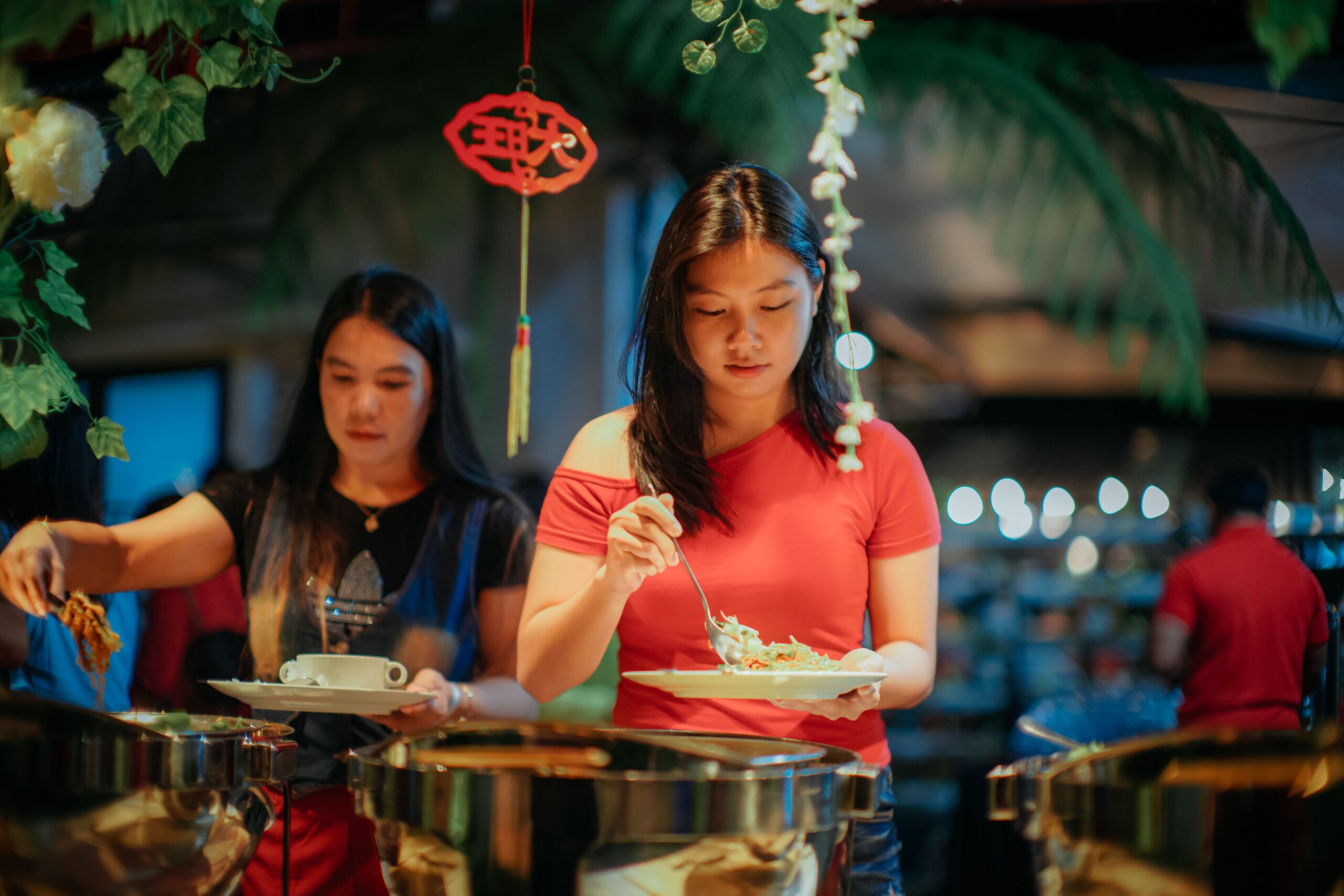
A well-planned menu still depends on the kitchen behind it, especially when the spread is small enough that every dish gets noticed.
At Peach Garden, we bring our restaurant standard of authentic Cantonese and Chinese cooking to small-group catering, with sets sized for intimate gatherings and portions planned around your headcount.
Planning a small gathering in Singapore? Browse our mini buffet menus and get in touch to build a spread around your occasion today.